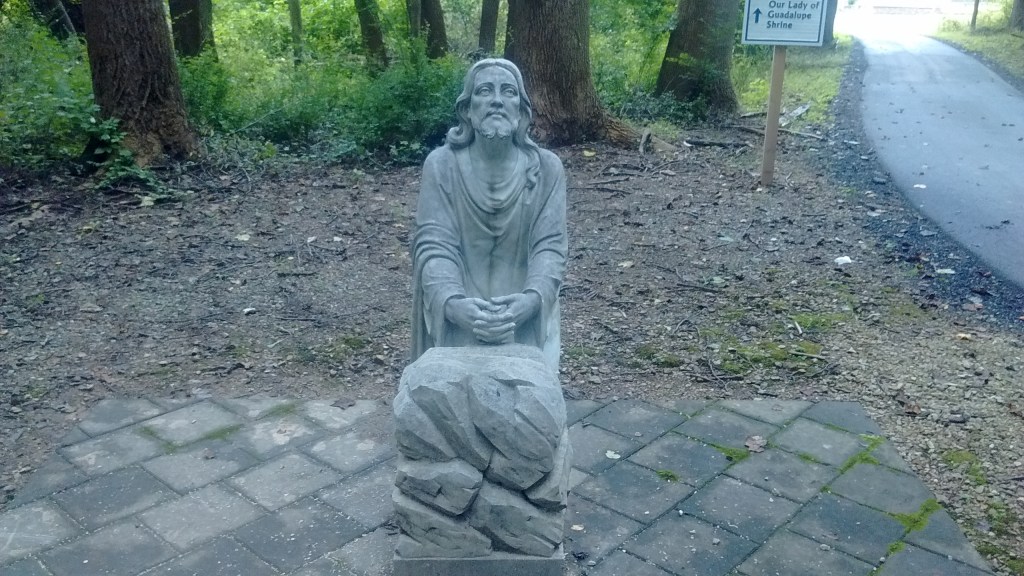
“And when you are praying, do not use thoughtless repetition as the Gentiles do, for they think that they will be heard because of their many words. So do not be like them; for your Father knows what you need before you ask Him.
“Pray, then, in this way:
‘Our Father, who is in heaven,
Hallowed be Your name.
Your kingdom come.
Your will be done,
On earth as it is in heaven.
Give us this day our daily bread.
And forgive us our debts, as we also have forgiven our debtors.
And do not lead us into temptation, but deliver us from evil.’
“For if you forgive other people for their offenses, your heavenly Father will also forgive you. But if you do not forgive other people, then your Father will not forgive your offenses” (Matthew 6:7-15; all Scripture quotations are from the New American Standard Bible unless otherwise indicated).
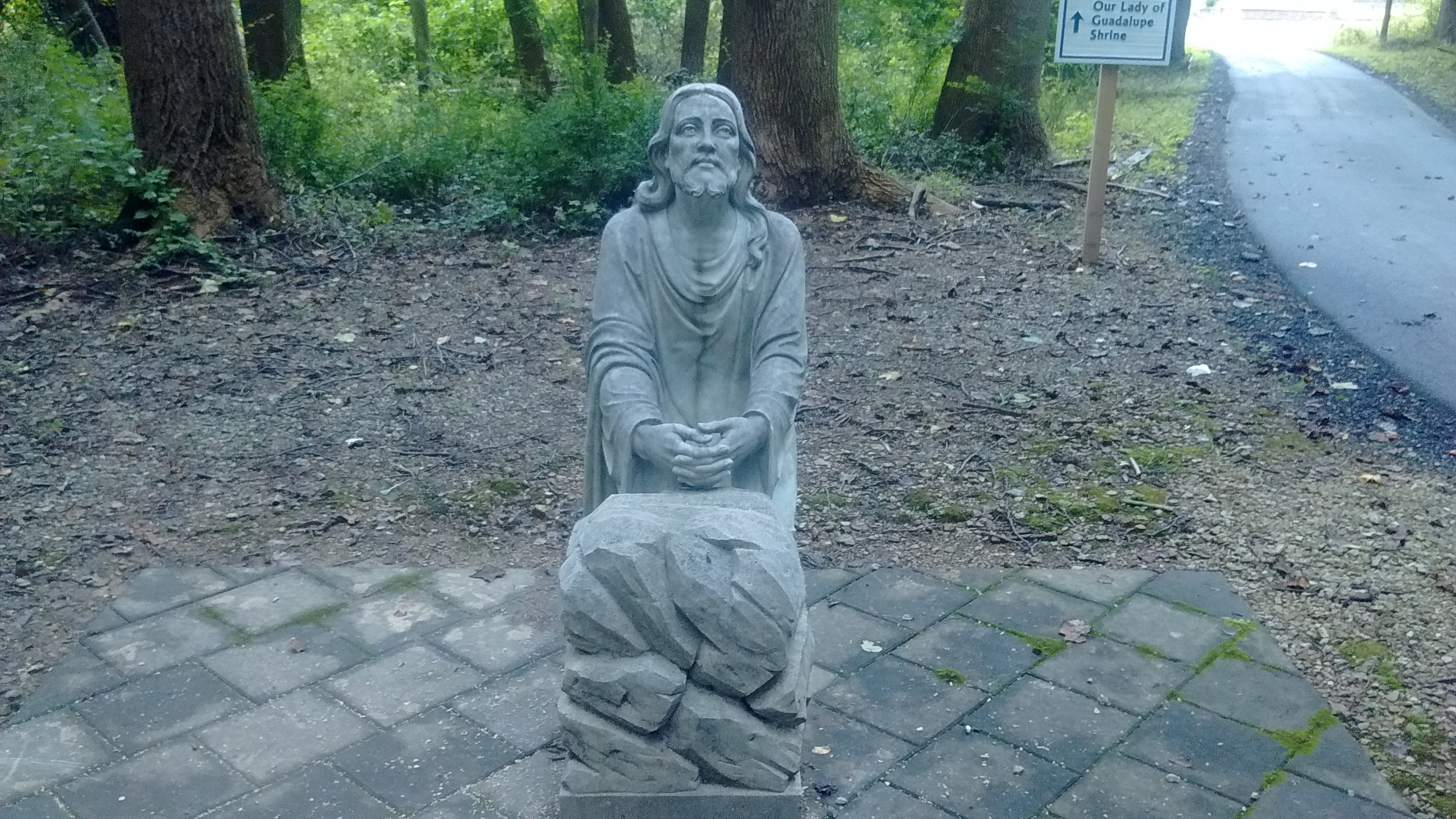
Perhaps every Christian knows the Lord’s Prayer, also known as the “Our Father.” Growing up in the Roman Catholic Church and attending Catholic school as a child, we would recite it every time we prayed: about seven or eight times if we were praying the rosary.
The custom of reciting the Lord’s Prayer is ancient. Chapter 8 of The Didache (“The Teaching of the Twelve Apostles”), a late-first or early-second-century book, urged Christians to recite the Lord’s Prayer three times per day.
Somehow, like much of what Jesus taught or told His disciples to do, Christians are divided about the Lord’s Prayer. While some recite it verbatim regularly, others think it is only an example, not intended for word-for-word recitation and repetition. They base this on Jesus’ instruction: “Do not use thoughtless repetition” (v. 7). The King James Version uses the term “vain repetitions,” and the New International Version tells readers “do not keep on babbling like pagans.” The emphasis is not so much on repetition as it is on mindless, thoughtless prayer.
Jesus did not dislike long prayers. He sometimes prayed for hours; He even “spent the whole night in prayer with God” before appointing His twelve apostles (Luke 6:12). However, He objects when our prayers are mindless and meaningless, padded with babbling verbosity and redundancy.
Even some who refuse to recite the Lord’s Prayer to avoid repetition violate the spirit of Jesus’ teaching. Some preachers might extend their sermons with flowery, poetic phrases from the Bible: “Our gracious, glorious, all-knowing and ever-present heavenly Father: Thou who art enthroned above the cherubim….” God knows who He is. We do not need to remind Him. One time, when I was working in a nursing-home cafeteria, the chaplain prayed the blessing before dinner, asked God to make it taste good to everybody, and then spent several minutes describing what he meant by “taste good” (including what seemed like a stumbling attempt provide a scientific explanation of how someone tastes food). Once again, God created taste, knows how it works, and even knows what each of us finds delicious. He does not need to hear us trying to show Him how smart or theologically astute we are.
So, one can violate Jesus’ teaching without praying liturgically, ritualistically, or repetitively. The great danger is when we pray without thinking about it, without honoring God while we pray.
However, as we pray, we should be thoughtful, aware of the Lord’s presence, and conscious of His holiness. True prayer should lead us to intimacy with our heavenly Father. It should set the tone for continual conscious contact with Him. In his 17th-century devotional classic, The Practice of the Presence of God, Brother Lawrence encouraged his readers to be constantly alert to and aware of God’s presence, finding ways to turn every activity into an opportunity to praise, worship, and pray to God.
I pray the Daily Office from The Book of Common Prayer at least once every day (usually two or three times—morning, noon, and evening prayer, occasionally praying Compline before bed). It includes a standard rotation of traditional prayers, including the Lord’s Prayer in every office, and a Bible-reading plan. It also leaves time for personal supplications and intercession for the people, situations, and issues that matter to me. While some people might find it redundant and mindless, I find it can turn prayer into a dialog with God. Occasionally, a particular phrase grabs my attention as I pray it. It is as if, while I am reciting the prayer, God is responding, “Think about that! Remember that! Isn’t that amazing or exciting!”
However you pray, make it a priority. Give God your full attention and honor, love, and praise Him. Then, when you say your final “amen,” close your Bible, and rise to resume everyday life, remember that He is still with you.
Lord, thank You that You invite us to pray. We ask that You will always draw us to Yourself, protect us from distraction or carelessness in our prayers, and lead us to seek Your presence wherever we go. In Jesus’ name. Amen.
How do you pray? Do you have any particular habits or routines that you follow? Share your thoughts, especially what works for you, in the comments.
Copyright © 2023 Michael E. Lynch. All rights reserved.
 Darkened Glass Reflections