
Prayer is more than a shopping list that we bring before God as if He were a celestial department store. When we pray, we bring our entire lives to God. It is also a dialogue; we speak to God, but we also wait to hear from Him.
So, prayer is multifaceted. Over the next few weeks, we will examine some of these facets. Here are eight primary elements of prayer that we should include in our devotions:
- Worship or adoration
- Praise
- Confession and penitence
- Scripture reading, including study, meditation, and memorization
- Intercession for others’ needs
- Petitions for our needs
- Oblation (offering ourselves and our lives to God’s service)
- Thanksgiving
There are other elements, most of which would be subsets of those listed above. This list is not a strict script to follow. The different elements do not have to stay in this order. Some people think we should offer thanks before intercession and petitions. Some elements overlap: many Christians merge worship and praise; confession and oblation overlap with one another; and Scripture reading will often permeate the other elements of prayer.
With this in mind, let us start by considering the role of worship and adoration in our prayers. The Book of Common Prayer defines adoration as “the lifting up of the heart and mind to God, asking nothing but to enjoy God’s presence.” I believe this is the foundation of all prayer. Everything we do as an expression of our faith and devotion to God, including prayer, is worship and adoration.

We start prayer by offering ourselves as living sacrifices to God. King David and other writers of the Bible often connected worship and sacrifice:
“Ascribe to the Lord the glory due his name;
bring an offering and come before him!
Worship the Lord in the splendor of holiness” (1 Chronicles 16:29; all Scripture quotations are from the English Standard Version).
Prayer, in all of its aspects, is a sacrifice. In the Old Testament, the Hebrews offered animal sacrifices as the central element of their worship. In the New Testament, Jesus became our ultimate sacrifice. Through His death, He showed Himself to be the “Lamb of God, who takes away the sin of the world” (John 1:29). So, we no longer offer bulls, goats, rams, or lambs to God. No more offering for sin is necessary. Still, we offer ourselves in prayer and life as living sacrifices to God:
“I appeal to you therefore, brothers, by the mercies of God, to present your bodies as a living sacrifice, holy and acceptable to God, which is your spiritual worship. Do not be conformed to this world, but be transformed by the renewal of your mind, that by testing you may discern what is the will of God, what is good and acceptable and perfect” (Romans 12:1-2).
Our prayer and worship become the springboards from which our lives are changed. We present ourselves as living sacrifices as our spiritual worship.
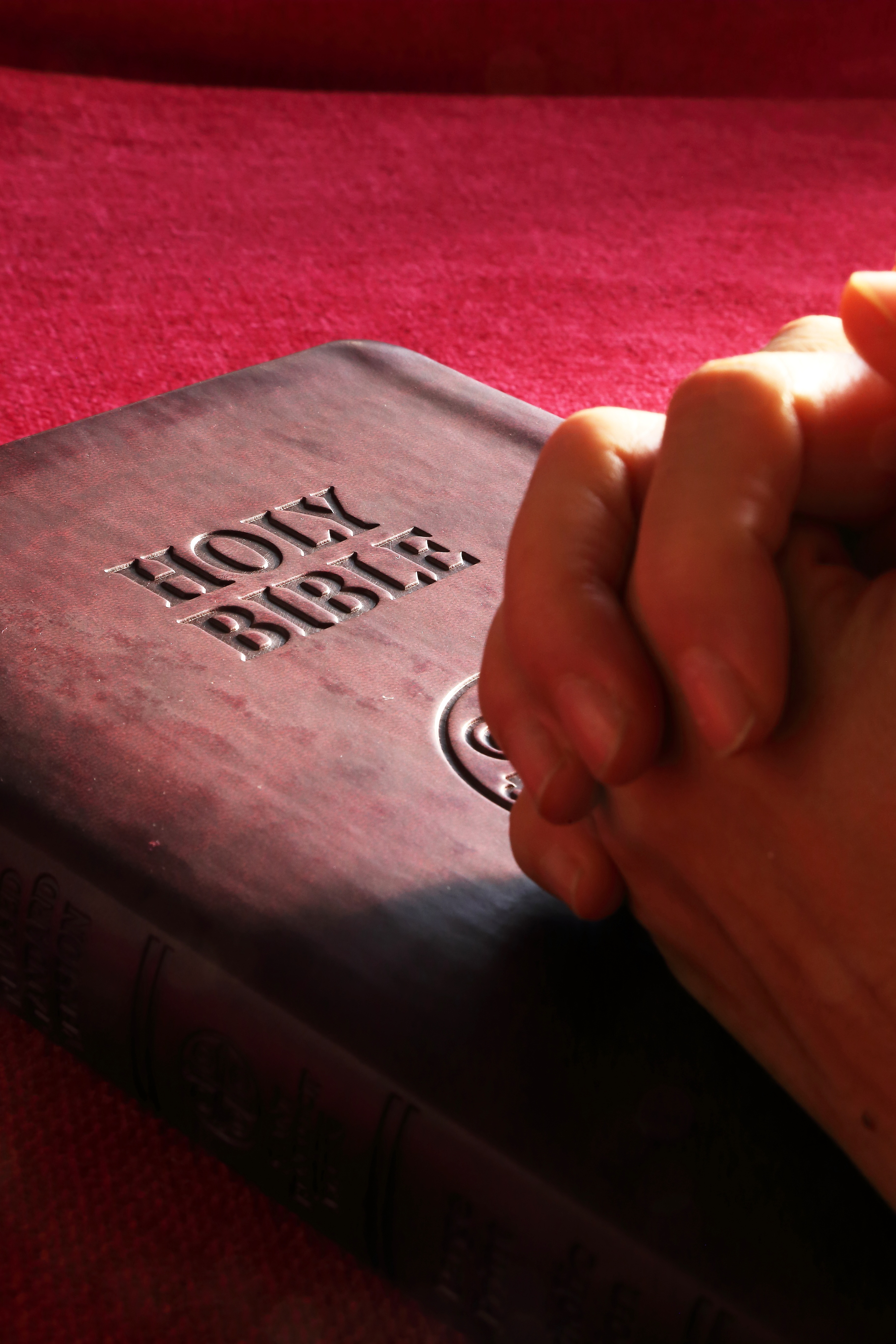
Since we are presenting ourselves to God, our worship should impact our daily lives and relationships, and vice versa:
“So if you are offering your gift at the altar and there remember that your brother has something against you, leave your gift there before the altar and go. First be reconciled to your brother, and then come and offer your gift. Come to terms quickly with your accuser while you are going with him to court, lest your accuser hand you over to the judge, and the judge to the guard, and you be put in prison. Truly, I say to you, you will never get out until you have paid the last penny” (Matthew 5:23-26).
Jesus illustrated a situation that could occur in the Jerusalem temple. There, a man might offer an animal for sacrifice on the altar. The principle still applies. We might be offering our gift or sacrifice to God—perhaps in our personal devotions or during worship at church—and remember that we have an unresolved conflict with another person. We might not have an immediate opportunity to make amends or restitution. Still, we should do so as quickly as possible. If we remember a person who has harmed us, we should promptly resolve to forgive the person. Whatever the situation, if our worship does not impact our daily lives and personal relationships, it is at best shallow and at worst hypocritical.
Let us worship the Lord in spirit and truth, making this the foundation and basis of all our prayers.
Previous article in this series
Lord, we offer ourselves to You as living sacrifices. Guide us to worship You always in spirit and truth.
What does “worship” mean to you? How do you worship the Lord? What can you do to enhance your worship?
Copyright © 2024 Michael E. Lynch. All rights reserved.
 Darkened Glass Reflections