
“Have mercy on me, O God,
according to your steadfast love;
according to your abundant mercy
blot out my transgressions.
Wash me thoroughly from my iniquity,
and cleanse me from my sin!
For I know my transgressions,
and my sin is ever before me.
Against you, you only, have I sinned
and done what is evil in your sight,
so that you may be justified in your words
and blameless in your judgment.
Behold, I was brought forth in iniquity,
and in sin did my mother conceive me.
Behold, you delight in truth in the inward being,
and you teach me wisdom in the secret heart” (Psalms 51:1-6; all Scripture quotations are from the English Standard Version).
We might want to devote our prayer time to reading the Bible and telling God our needs and desires. We might even include some praise and worship to God. However, the success of your prayers might rely on the part many Christians would rather avoid: confession and repentance.
The Book of Common Prayer says, “In penitence, we confess our sins and make restitution where possible, with the intention to amend our lives.” This seems too hard. It might not feel good. If we aim to complete daily devotions with a smile, feeling like God makes us happy and comfortable, we will avoid confession and repentance. However, our prayers demand it. The Bible lists several reasons why God may not answer our prayers; most of them are cases of unrepented sin.
So, if we want to be confident that God listened to our prayers and will act on them, we would be wise to search our hearts daily and confess our sins to Him. It is part of the prayer Jesus taught His disciples: “Forgive us our trespasses, as we forgive those who trespass against us.”
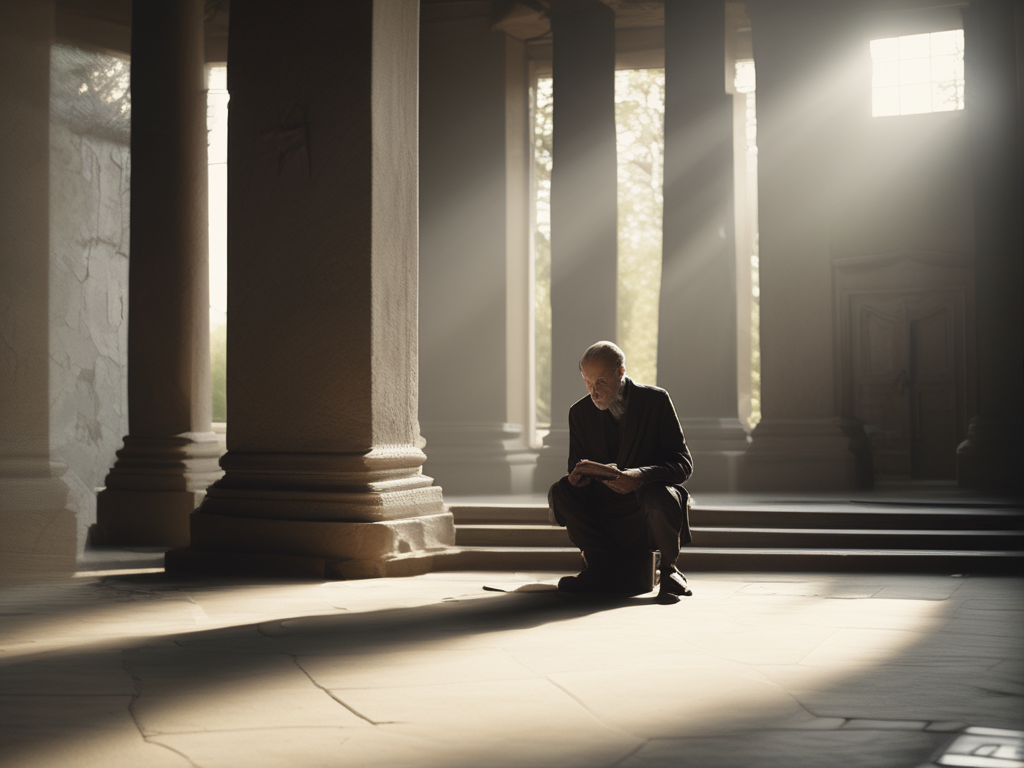
Such confession should be specific. While the Lord’s Prayer gives a general acknowledgment that we have trespasses that require forgiveness, most other Bible passages tell us to confess our sins. We cannot say, “Nobody’s perfect! I’m only human!” We should acknowledge our specific sins. In Matthew 3:6, we read about John the Baptist’s ministry: “and they were baptized by him in the river Jordan, confessing their sins” (emphasis added).
Luke 3:10-14 gives more specific examples of how John the Baptist responded to people’s sins. Instead of simply saying, “You’re a sinner,” he gave specific instructions for righteous living: if you have extra food and clothing, share it with the needy. He would tell tax collectors, who had a reputation for greed, to collect only what they were authorized to do; he told soldiers not to engage in extortion or threats. He did not merely say, “Don’t do that!” He added, “Instead, you should do this.”
Some of these were the kinds of sins that people would justify by saying, “Everybody does it!” That excuse is worthless in prayer and confession. Sin always opposes God; it does not matter how popular or socially acceptable it is. God’s Word, not public opinion, defines sin.
However, our self-reformation is not the source of our forgiveness. We do not earn forgiveness by getting our acts together and suddenly acting better. The basis of forgiveness is God’s mercy. As King David said in Psalm 51, “Have mercy on me, O God, according to your steadfast love; according to your abundant mercy blot out my transgressions. Wash me thoroughly from my iniquity, and cleanse me from my sin!”
In the next article in this series, we will look at some of the ways sin harms us and why we should prioritize daily confession to God.
Copyright © 2025 Michael E. Lynch. All rights reserved.
 Darkened Glass Reflections
3 responses to “Prayer, Confession, and Repentance: 1. A Necessary Habit”
[…] previous articles in this series (here and here) looked at the subject of sin and how it has a negative impact on our lives. We saw that […]
LikeLike
[…] Part 1 of this series introduced the importance of confession and repentance or penitence as one of our regular prayer habits. In this article, we will explore why we should confess our sins. Sin can create all kinds of havoc in our lives. Even if we claim to be a man or woman after God’s own heart, sin can catch us off-guard, creating problems in our lives that may snowball for a long time after the initial act. Perhaps nobody knew that better than King David, who wrote some of the Bible’s great penitential psalms, including Psalm 51 (which headlined the previous article) and Psalm 32 (to be cited in a few paragraphs). […]
LikeLike
True confession and repentance are keys. Thank you for reminding us
LikeLike