
“And forgive us our debts, as we also have forgiven our debtors” (Matthew 6:12; all Scripture quotations are from the New American Standard Bible).
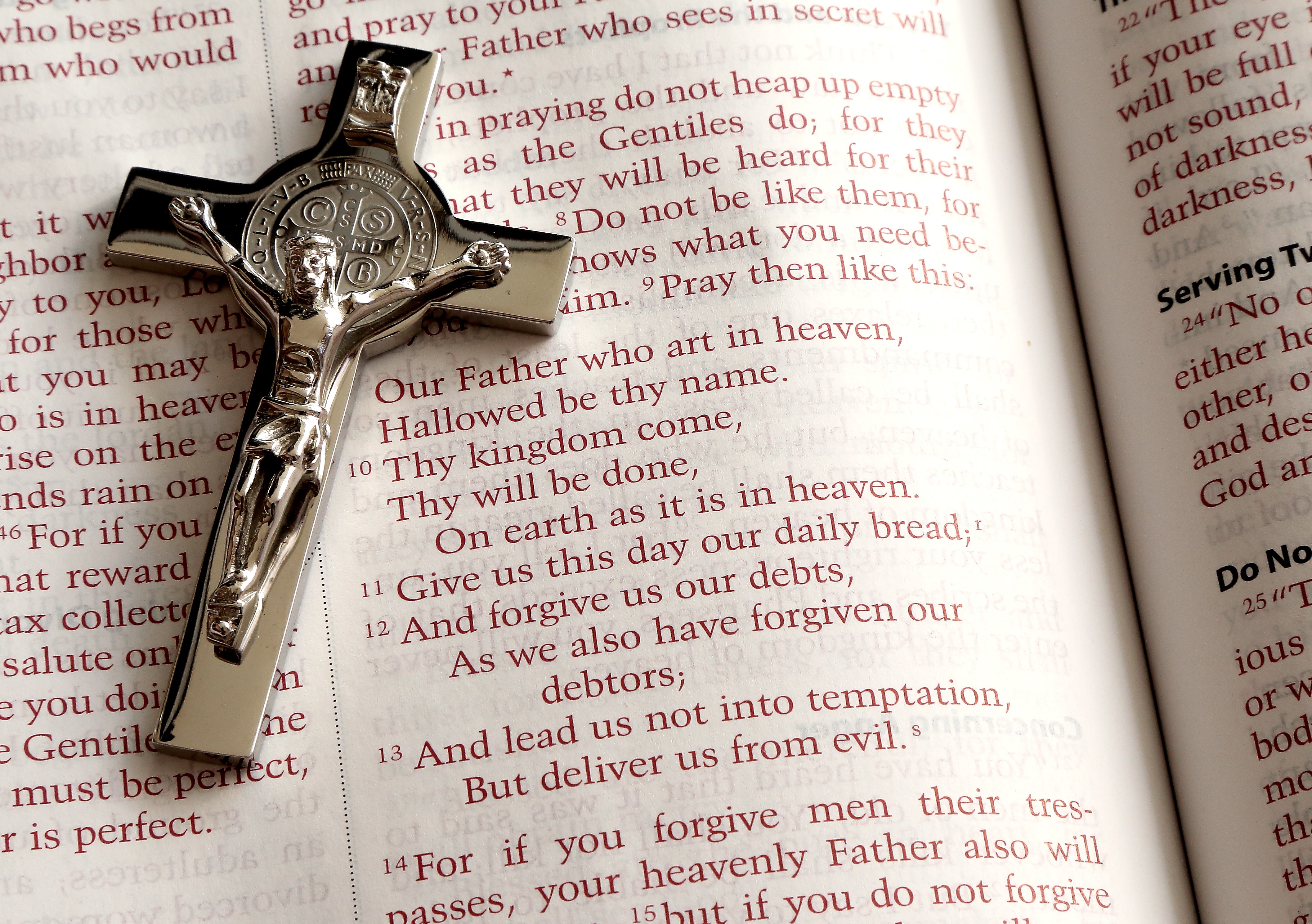
Many Christians traditionally pray “And forgive us our trespasses, as we forgive those who trespass against us.” Most English Bible translations use the terms “debts/debtors” instead of “trespasses/trespass against us.” A few less literal translations phrase it to ask God to forgive our sins.
“Debts” is the most literal translation of the Greek “opheiléma.” The word can have the literal meaning of a financial debt or a more figurative meaning of a moral debt. The fact that Jesus referred to a moral debt becomes more clear when we read Matthew 6:14-15. In those verses, He comments further on this petition:
“For if you forgive other people for their offenses, your heavenly Father will also forgive you. But if you do not forgive other people, then your Father will not forgive your offenses” (Matthew 6:14-15).
Here, Jesus uses “offenses” as a synonym for “debts,” and in each case, it implies sin or trespass. When we sin, it is akin to robbing God, and it is a debt we cannot repay. Our only hope is to request forgiveness. I can work out a repayment plan when I borrow money; I cannot recover life’s opportunities that I wasted in sin and give them back to God. Forgiveness is the only solution to sin.
So, as we pray the Lord’s Prayer, we acknowledge that we deserve condemnation. We know we have sinned. Whenever we pray, we should spend some time searching our hearts, acknowledging our recent sins, confessing them to God, and asking for His forgiveness. As children of God, redeemed through faith in Christ, we have secured forgiveness by grace through faith in Him. Regular confession of sin and requests for forgiveness do not “keep us saved”—God does not kick us out of His family when we entertain a single impure thought or say one unkind thing—but it keeps us in close connection with Him. It removes the weights that are holding us back from accomplishing God’s will in our lives (Hebrews 12:1-2).
This also reminds us that whenever God answers our prayers, it is a gift of His grace. He does not give us our daily bread because we earned it: He gives it because He loves us.
Finally, we commit to forgive others. The time we spend searching our hearts and confessing our sins may lead us to think of people against whom we hold resentment, unforgiveness, or bitterness. This is a time to forgive those people, or at least commit to forgive them. If I am harboring resentment, it usually keeps popping up while I pray; I think the devil might be trying to use it to distract me from prayer. This is a good sign that I need to add this person to my prayer list and pray for them—not “smite them, Lord,” but rather, “Lord, have mercy upon them. Work in their lives. Deliver them from whatever stronghold or hangup led them to mistreat me. Reveal to them their need for You….” As God has shown us His mercy, we extend it to others.
Prayer is an opportunity to clear up our accounts. We take a moment to bridge the gaps that our sins have created between us, God, and our neighbors. We seek forgiveness for those around us, particularly those who need our forgiveness. We need to manage our debts to God so that we can be free to glorify Him.
“Forgive us our debts, as we also have forgiven our debtors.” Lord, we confess our sins to You and acknowledge our need for continual forgiveness. We thank You for forgiving us through Jesus’ blood on the cross. Give us grace to recognize when we fall short of Your will for our lives, acknowledge our sins, repent, and continue to seek You. Finally, we ask You to enable us to forgive those who have harmed or mistreated us. In Jesus’ name. Amen.
How do you incorporate confession, repentance, and forgiveness into your prayer times? Share your thoughts in the comments area below.
Copyright © 2024 Michael E. Lynch. All rights reserved.
 Darkened Glass Reflections