
“Blessed is the man
who walks not in the counsel of the wicked,
nor stands in the way of sinners,
nor sits in the seat of scoffers;
but his delight is in the law of the Lord,
and on his law he meditates day and night.
“He is like a tree
planted by streams of water
that yields its fruit in its season,
and its leaf does not wither.
In all that he does, he prospers.
The wicked are not so,
but are like chaff that the wind drives away.
“Therefore the wicked will not stand in the judgment,
nor sinners in the congregation of the righteous;
for the Lord knows the way of the righteous,
but the way of the wicked will perish” (Psalm 1; all Scripture quotations are from the English Standard Version)
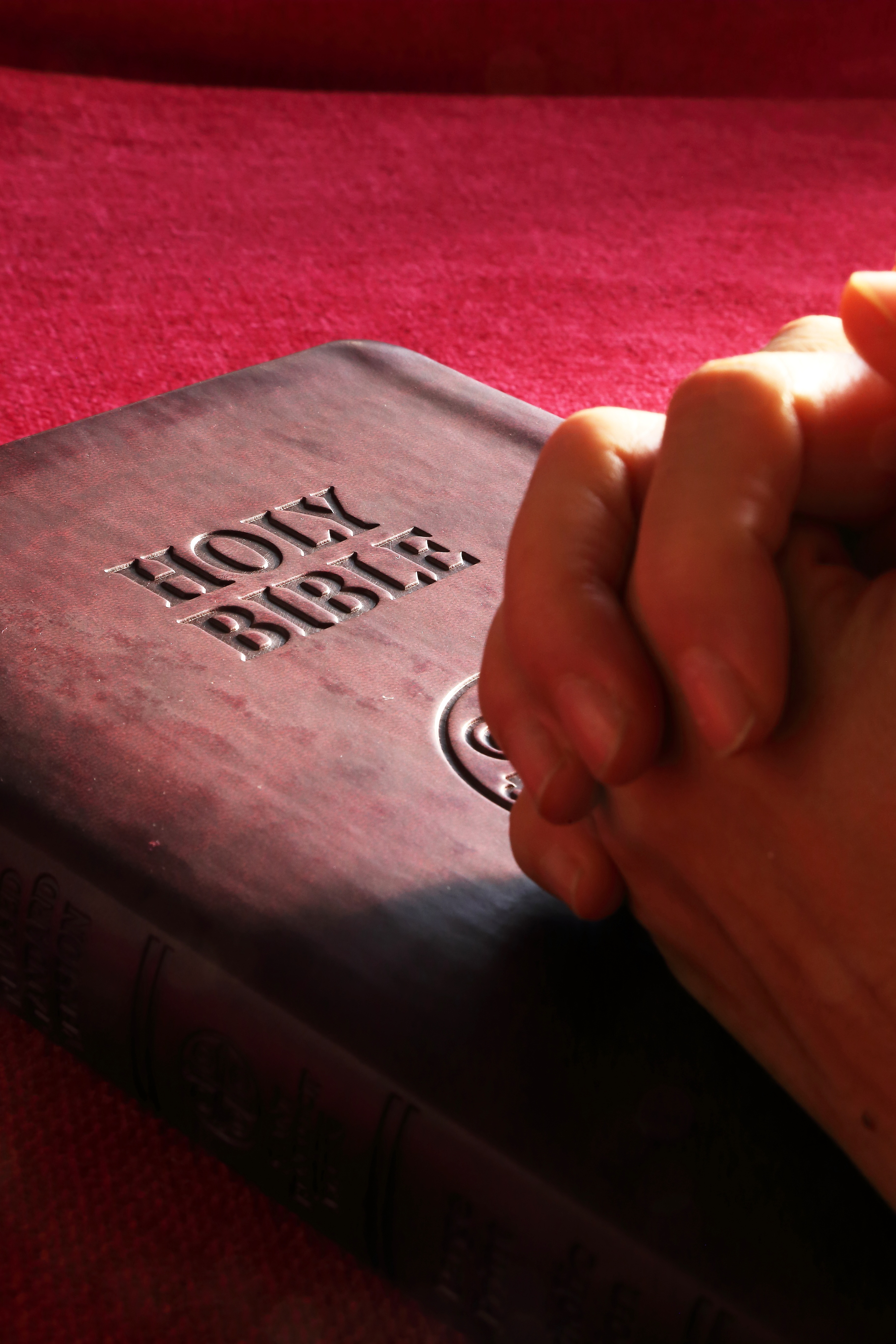
The first prayer and song book of God’s people—the Book of Psalms—begins with a song that extols the person who delights in God’s Word (Psalm 1). It ends with a song of praise that tells us to “Praise him for his mighty deeds” (Psalm 150:2). And, its longest song is a 176-verse epic about the Word of God. Prayer, worship, and Scripture belong together. Prayer and worship are incomplete without God’s Word.
Since the early days of Christianity, prayer and Scripture have gone together. Acts 2:42 tells us that the earliest Christians devoted themselves to the apostles’ teaching and the fellowship, to the breaking of bread and the prayers.” The apostles’ teaching was usually an explanation of Jesus’ life and teaching (now preserved for us in the four Gospels) and its relationship to the Old Testament. This and “the prayers” were two of the key elements of corporate worship. They should also be part of a believer’s daily life.
It is impossible to have living relationship with Jesus Christ without prayer, worship, and Scripture. Jesus and Scripture are intimately united. In fact, John’s Gospel boldly claims that Jesus is the Word of God:
“In the beginning was the Word, and the Word was with God, and the Word was God. He was in the beginning with God…. And the Word became flesh and dwelt among us, and we have seen his glory, glory as of the only Son from the Father, full of grace and truth” (John 1:1-2, 14).
The letter to the Hebrews agrees, saying:
“Long ago, at many times and in many ways, God spoke to our fathers by the prophets, but in these last days he has spoken to us by his Son, whom he appointed the heir of all things, through whom also he created the world. He is the radiance of the glory of God and the exact imprint of his nature, and he upholds the universe by the word of his power. After making purification for sins, he sat down at the right hand of the Majesty on high, having become as much superior to angels as the name he has inherited is more excellent than theirs” (Hebrews 1:1-4).
Jesus is the Word of God. The Word of God points to Him. He is the final complete revelation of God. You cannot really say you know God or know Jesus if you do not seek to know His Word. The written words of Scripture are baptized in the very nature and personality of the Incarnate and Living Word of God, Jesus Christ.
So, in prayer, we come to Him, and we do this most effectively through His written Word. Guided by His Word, we can approach Him in prayer with bold confidence:
“For the word of God is living and active, sharper than any two-edged sword, piercing to the division of soul and of spirit, of joints and of marrow, and discerning the thoughts and intentions of the heart. And no creature is hidden from his sight, but all are naked and exposed to the eyes of him to whom we must give account. Since then we have a great high priest who has passed through the heavens, Jesus, the Son of God, let us hold fast our confession. For we do not have a high priest who is unable to sympathize with our weaknesses, but one who in every respect has been tempted as we are, yet without sin. Let us then with confidence draw near to the throne of grace, that we may receive mercy and find grace to help in time of need” (Hebrews 4:12-16).
When we know Jesus, we can come to Him with bold faith and confidence, knowing that we can receive mercy and grace. We can know His will and allow it to guide our prayers:
“And this is the confidence that we have toward him, that if we ask anything according to his will he hears us. And if we know that he hears us in whatever we ask, we know that we have the requests that we have asked of him” (1 John 5:14-15).
Of course, Scripture reading does not simply guide our prayers. Reading, studying, and meditating upon Scripture helps us to know God’s will for every aspect of our lives. God’s will has several aspects. One is His perfect will for all people. For example, there are commands and instructions in the Bible that apply to all people, at all times, in all places, such as, “You shall not commit adultery” and “You shall not steal.” Another is His particular will for each of our lives: while God calls some people to be pastors, He might call others to serve Him in other ways, usually in a secular workplace. Chances are that nobody reading this article is mentioned by name in the Bible, so we cannot point to a verse that tells us exactly who to marry, where to find a job, what city to live in, whether we are called to pastoral ministry, etc. However, there are numerous verses throughout Scripture that will tell us how to live in any of those callings. I cannot say, “God told me to rob a bank so that I can afford to take this seminary course or go on this ministry trip.” The Bible has already told us that nobody is supposed to steal. As we learn God’s general will for all people, we can more clearly recognize His unique will for each of our own lives.
For more about Bible reading and study, you can read the articles “How to Read and Study the Bible” and “Read, Meditate, Delight, Obey: III. How to Read and Meditate on God’s Word” on this blog.
Prayer is a dialog. We speak to God, and He speaks to us. His primary means of speaking to us is through His Word, the Bible. If you want to know Jesus and live for Him, you should include daily Bible reading as part of your daily prayers.
Blessed Lord, who caused all holy Scriptures to be written for our learning: Grant us so to hear them, read, mark, learn, and inwardly digest them, that we may embrace and ever hold fast the blessed hope of everlasting life, which you have given us in our Savior Jesus Christ; who lives and reigns with you and the Holy Spirit, one God, for ever and ever. Amen. (From the Book of Common Prayer).
How do you include Scripture in your prayer life? Share your thoughts in the comments field below.
Copyright © 2025 Michael E. Lynch. All rights reserved.
 Darkened Glass Reflections
2 responses to “Prayer and Scripture Reading”
❤️
LikeLike
So true, worship-prayer-reading the word cannot be separated. To add we need to meditate on the word to be enlightened and know God more and more
LikeLike