This is part 2 of a three-part series, taken from a paper I wrote for a seminary class on Old Testament Theology. It might be more academic than most articles on Darkened Glass Reflections, but I believe you will find a blessing. You can read part 1 here.
Genesis 4:25 begins the genealogy of Seth, the son of Adam and Eve whose descendants would include the children of Israel. Their first two sons were Cain and Abel. The elder brother, Cain, killed Abel, whose sacrifice God preferred over his own. Some time thereafter, Eve bore another son, Seth, saying “God has appointed for me another offspring instead of Abel, for Cain killed him” (Gen. 4:26). We can see a type of Christ in these sons: Abel, who offered righteous sacrifices was killed by sinful humanity. However, the promise survived as new life was imparted. We can see Seth as a symbol of the resurrection of Jesus as he lives instead of his deceased brother.
Seth’s family line would bear the “seed,” and most of Genesis focuses on his descendants. His three-times great-grandson Enoch illustrates everlasting life for those who believe. Genesis 5:21-24 speaks of him as a righteous man who walked with God. Hebrews 11:5 makes it clear that Enoch did not experience death. His brief biography teaches us that everlasting life is available to those who walk with God by faith, and it provides a foretaste of Christ’s ascension into heaven. Many evangelical Christians claim that his experience represents the Rapture, which they believe will precede Christ’s second coming.

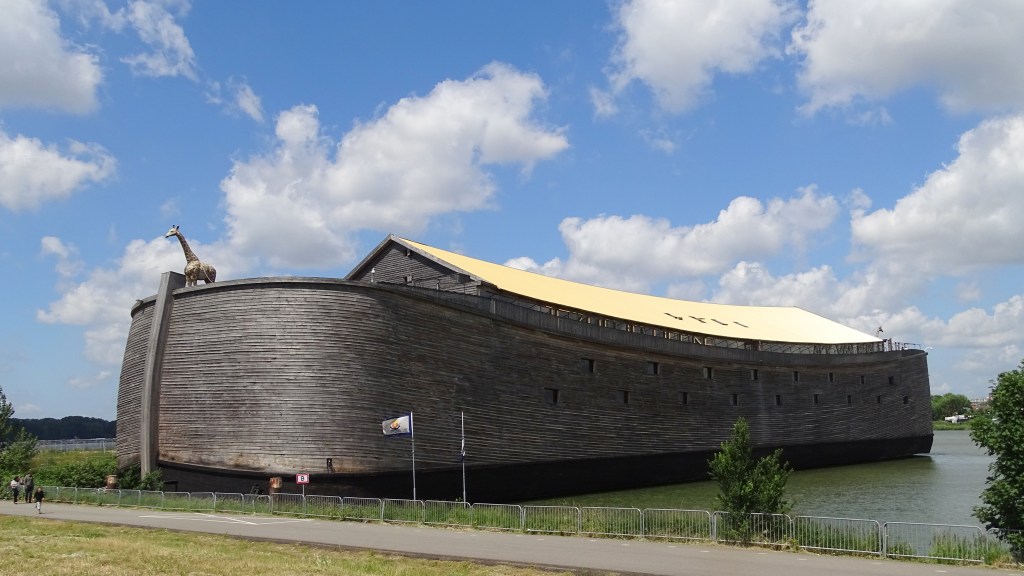
The life of Noah, Enoch’s great-grandson, illustrates how God elects the seed for salvation. His story presents several themes that recur throughout the rest of Scripture. First, God will judge sin; by the time of Noah, sin was so rampant that God decided to destroy mankind (Gen. 6:5). However, when He judges, He offers a way of salvation for those who repent and believe. “Noah was a righteous man, blameless in his generation. Noah walked with God” (Gen. 6:9), so he found favor with the Lord. He told Noah to build an ark, in which his family and some animals would survive while everything else died in a flood. Noah’s family and the animals were saved only by accepting God’s means of protection.
Noah’s story ended with an embarrassing situation. His youngest son Ham found him sleeping drunk and naked in his tent and told his brothers, Shem and Japheth. They, in turn, covered their father to avoid shame. As a result, Noah cursed Ham (particularly referencing his oldest son, Canaan) and pronounced a blessing upon the other sons: “May God enlarge Japheth, and let him dwell in the tents of Shem, and let Canaan be his servant” (Gen. 9:27). Many ancient Jewish writers claimed that the one who would dwell in the tents of Shem was God, not Japheth.i God would “enlarge” Japheth, but He extended the blessing and promise to Shem. The seed would come from Shem’s family tree, the Semites.
The chosen family was further narrowed when God called one Semite, Abram, to follow Him. God’s covenant with Abram (whom He renamed Abraham) is a major landmark of Scripture. It was unilateral: God called Abram and established the terms of the covenant. There was no negotiation. Abram could simply obey or reject the call.
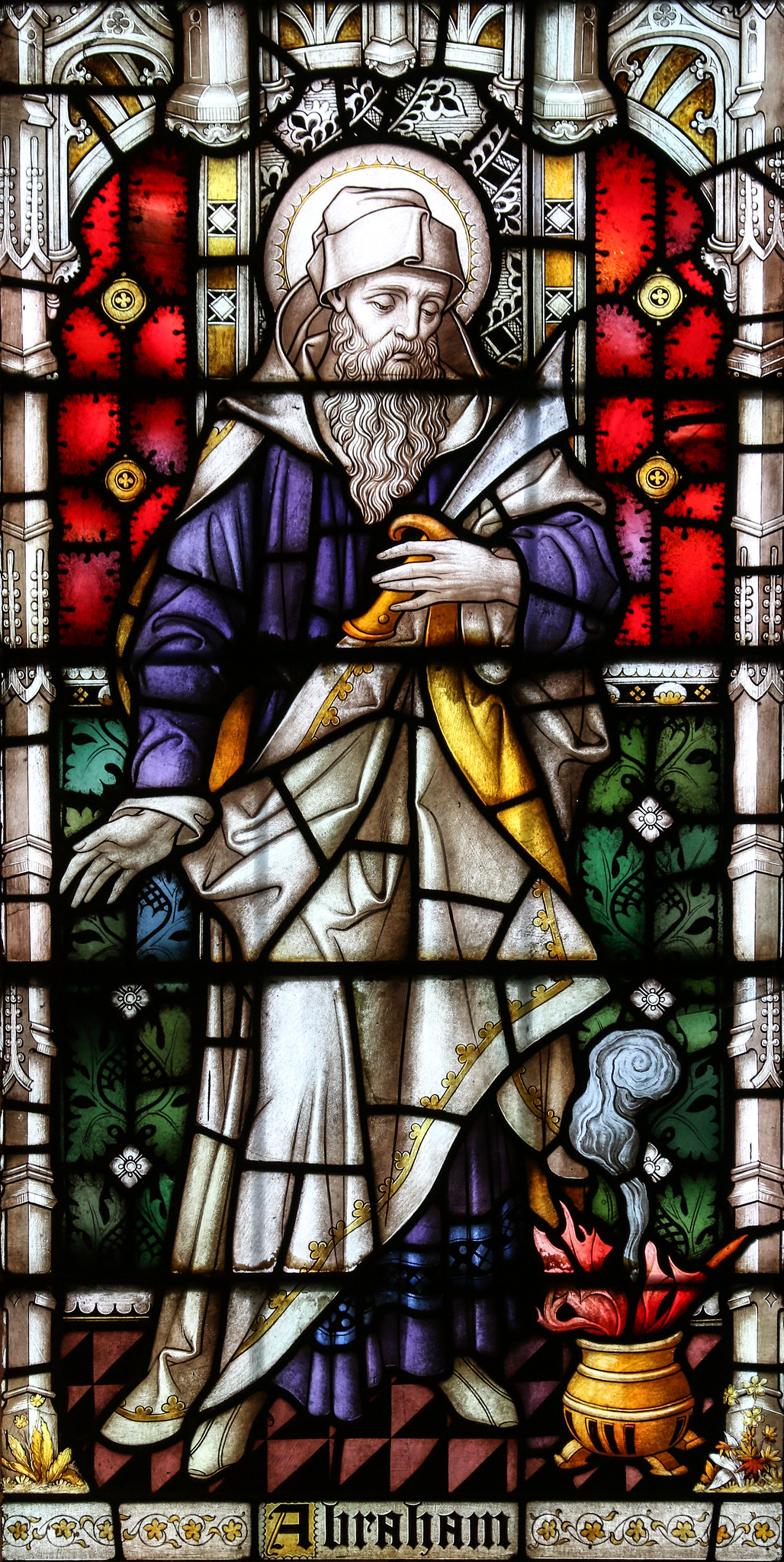
There were several aspects of God’s covenant with Abram, which was confirmed on three occasions. In Gen. 12:1-3, God appeared to Abram for the first time and said, “Go from your country and your kindred and your father’s house to the land that I will show you. And I will make of you a great nation, and I will bless you and make your name great, so that you will be a blessing. I will bless those who bless you, and him who dishonors you I will curse, and in you all the families of the earth shall be blessed.” A central part was that all nations would be blessed through him. God repeated this several times: In Gen. 22:18, He told him, “In your offspring shall all the nations be blessed.” God repeated the same promise to Abraham’s son, Isaac (Gen. 26:4), and later to Isaac’s son Jacob (Gen. 28:14). The promised seed of Eve would arise from the lineage of Abraham, Isaac, and Jacob.
Part 3 of this series will follow the “seed” from Abraham to his great-grandson, Judah and discuss other elements of the Gospel that are introduced in Genesis.
iWalter C. Kaiser, Jr., Toward an Old Testament Theology, 1st paperback edition (Grand Rapids, MI: Zondervan Publishing House, 1991), p. 82.
Copyright © 2026 Michael E. Lynch. All rights reserved.
 Darkened Glass Reflections
One response to “The Gospel in Genesis. II. The Seed and the Covenant”
[…] This is part 3 of a three-part series, taken from a paper I wrote for a seminary class on Old Testament Theology. It might be more academic than most articles on Darkened Glass Reflections, but I believe you will find a blessing. You can read part 1 here. Part 2 can be found here. […]
LikeLike