Darkened Glass Reflections

Living today with an eye on eternity
-
Light of the World: Exposing the Deeds of Darkness
All of these forms of “Christian advertising” are great ways to begin a conversation about the Gospel and what Jesus has done in one’s life. However, when there is a conflict between our bumper stickers or Facebook statuses and our lifestyles, the answer is not to hide the light. The answer is to tap more…
-
A Prayer Acknowledging Jesus as the Light of the World
Almighty God, whose Son our Savior Jesus Christ is the light of the world: Grant that your people, illumined by your Word and Sacraments, may shine with the radiance of Christ’s glory, that he may be known, worshiped, and obeyed to the ends of the earth; through Jesus Christ our Lord, who with you and…
-
Reflecting the Light of the World
Jesus is the Word that became flesh to reveal God to us. He is the light of the world, so that we may see. Also, He is life so that we may live. His life is the light of men. His light, His life, and His love guide our steps. We cannot see the path…
-

Wise Men and Wisdom
The flaw of worldly wisdom and common sense is that it focuses on everything that happens “under the sun” and does not recognize its source and focus in God Himself. The pleasures, passions, and purposes we often seek are temporary; a focus on God Himself is eternal.
-

The Blood and the Name of Jesus
On the eighth day since the birth of Jesus, we commemorate the circumcision of Christ, at which time He was formally given the name “Jesus.” On the eighth day, Jewish boys would be circumcised (Leviticus 12:3), and it is during this ceremony that the baby received his name. One can essentially say that Jesus shed…
-
Resolving to Follow Christ in the New Year
As I write, the year 2017 is approaching its end. Many people are writing down their New Year’s resolutions. Although I usually quip that my New Year’s resolution is to avoid making New Year’s resolutions, I must admit that there is some value to this tradition. Many of us can think of ways we would like to improve our lives.…
-
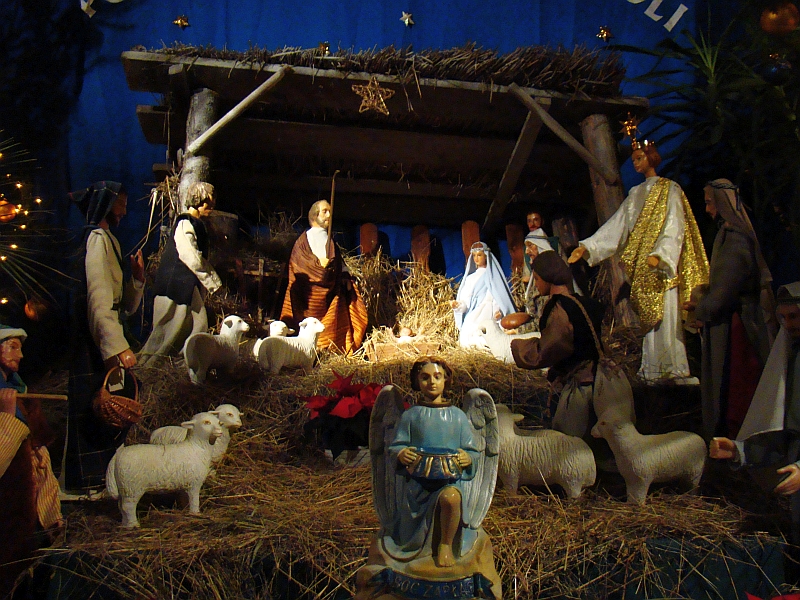
Shepherds, Wise Men, and Ordinary People
A nativity scene depicts the main figures in the account of Jesus’ birth together in one location at once. It works as an effective story-telling device. However, the story of Jesus’ birth has become so familiar to most Christians that many of us miss a few key points.
-
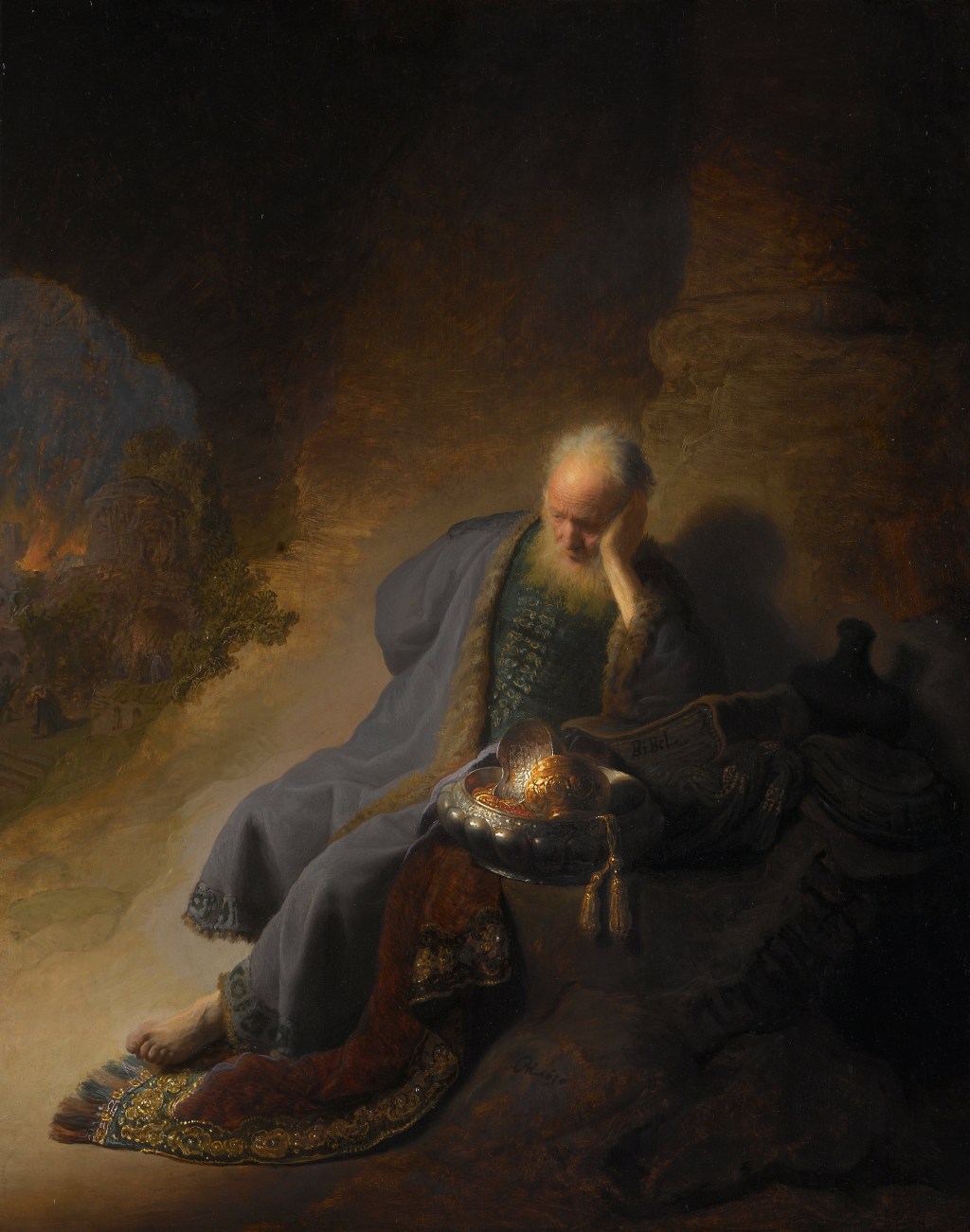
Examining Our Ways in Times of Suffering
Pain and suffering are a central part of our earthly existence. Sometimes, it seems unfair, as if God Himself is unjust. We try to make sense of suffering, but it does not always work. The answers are rarely obvious or simple, but suffering gives us an opportunity to examine our lives and see if there…
-

Understanding the Deep Waters of the Heart
enewing our minds is simply one part of the Christian life, intertwined with other aspects. Our minds are renewed not only through Bible study and prayer, but also through corporate worship, ministry to others, and fellowship.
-

Advent, Christmas, and Parallel Universes
Christians can often sympathize with the person who travels between parallel universes. We seem to do it all the time. This is most obvious during “the most wonderful time of the year.” Over the next month, we will be bombarded with “holiday savings” ads, Christmas songs on the radio (ranging from “Oh Holy Night” to…
 Darkened Glass Reflections