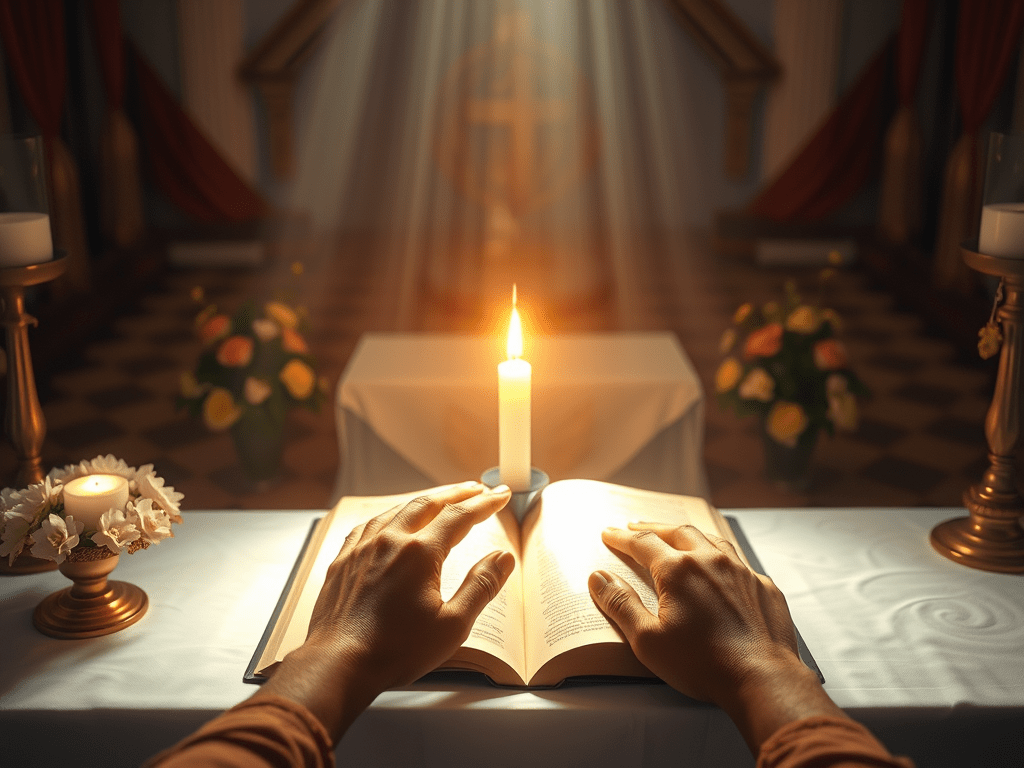
“I appeal to you therefore, brothers, by the mercies of God, to present your bodies as a living sacrifice, holy and acceptable to God, which is your spiritual worship. Do not be conformed to this world, but be transformed by the renewal of your mind, that by testing you may discern what is the will of God, what is good and acceptable and perfect” (Romans 12:1-2; all Scripture quotations are from the English Standard Version).
Does a Christian have a goal or aim in prayer? Many think prayer is a way to convince God to yield to our will. We might say something that sounds like, “God, this is what I want. Do this now. In Jesus’ name. Amen.” We may not use these exact words, but many people pray with this attitude. If God does not do what we ask, we can become discouraged or disappointed.
There is a problem, though. God is the Lord. He is all-knowing. He is in charge. We are His children, His servants. Our knowledge is limited.
Instead, our goal in prayer should be to offer ourselves as living sacrifices to God, as Romans 12:1-2 instructs us. Instead of trying to coerce God to follow our will, we should try to unite ourselves to His will. In Twelve-Step recovery programs like Alcoholics Anonymous, the Eleventh Step says that we “Sought through prayer and meditation to improve our conscious contact with God…, praying only for knowledge of His will for us and the power to carry that out.”
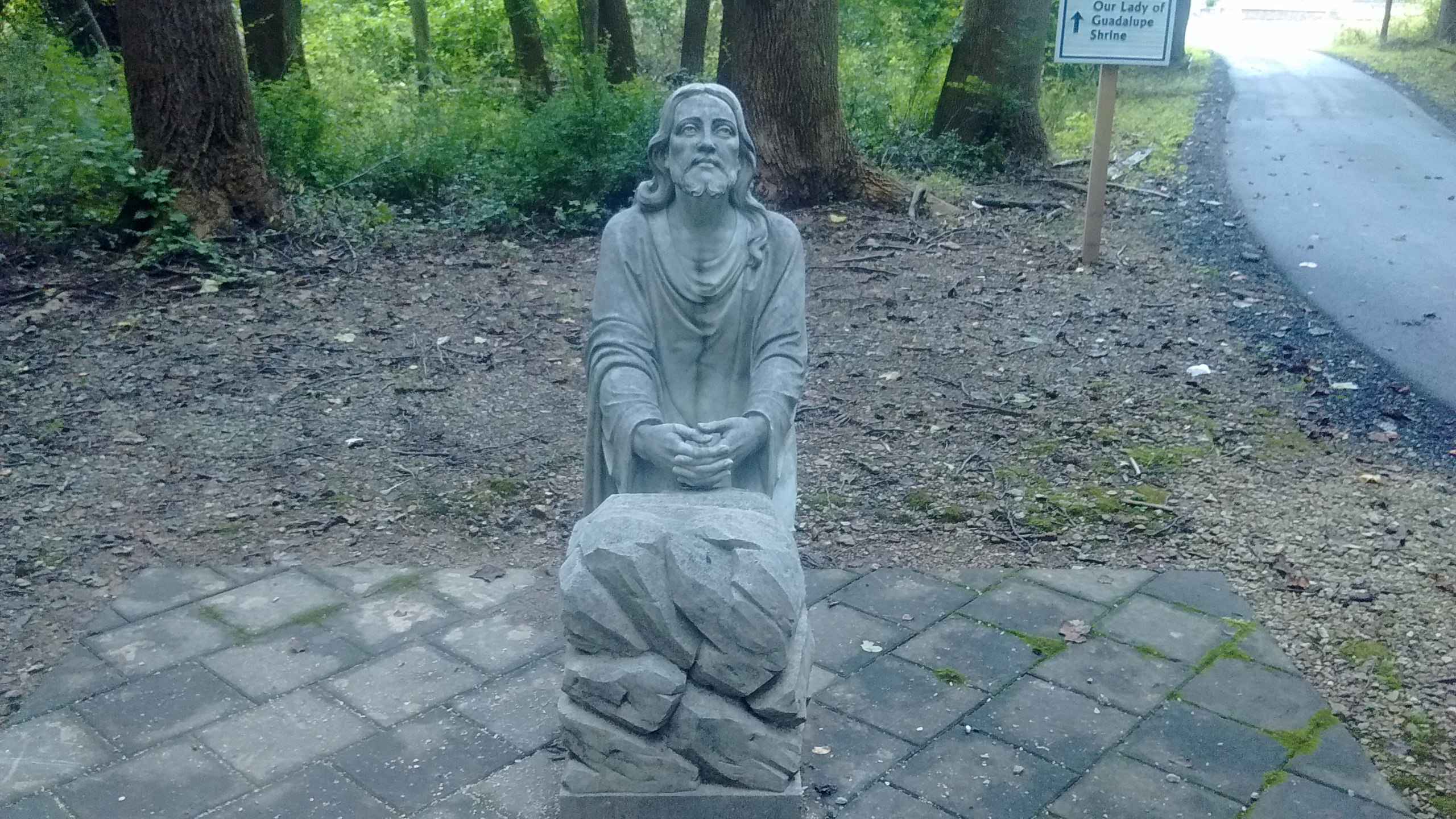
The first time I read that, I thought, “They can’t really mean that, can they?” Perhaps it is more accurate to pray mostly for knowledge of God’s will and the power to carry that out. After all, the Bible does say that we can pray for our needs. Jesus even told us to pray, “Give us this day our daily bread.” The danger is getting caught up in too many of our desires. We forget that there are things God wants in our lives.
Thus, part of our time in prayer should be a commitment to a prayer of oblation. “Oblation” simply means offering or sacrifice. Some Bible translations use this word to describe the animals that were sacrificed in the Old Testament. In some liturgical Christian traditions, the offering is referred to as an oblation: the bread and wine for communion are presented at the altar, along with the money that was collected.
In the New Testament, we do not sacrifice animals. Jesus gave His body and blood for us by dying on the cross. Nevertheless, we still have a sacrificial offering to make: We offer ourselves to God. The Book of Common Prayer says, “Oblation is offering ourselves, our lives and labors, in union with Christ, for the purposes of God.” We present ourselves as living sacrifices. We turn our will and lives over to the care of God daily. This includes three parts. First, we present our bodies as a living sacrifice. Second, we allow the Holy Spirit to renew our souls and minds. Finally, we offer our spirits to God. We surrender all that we are to God.
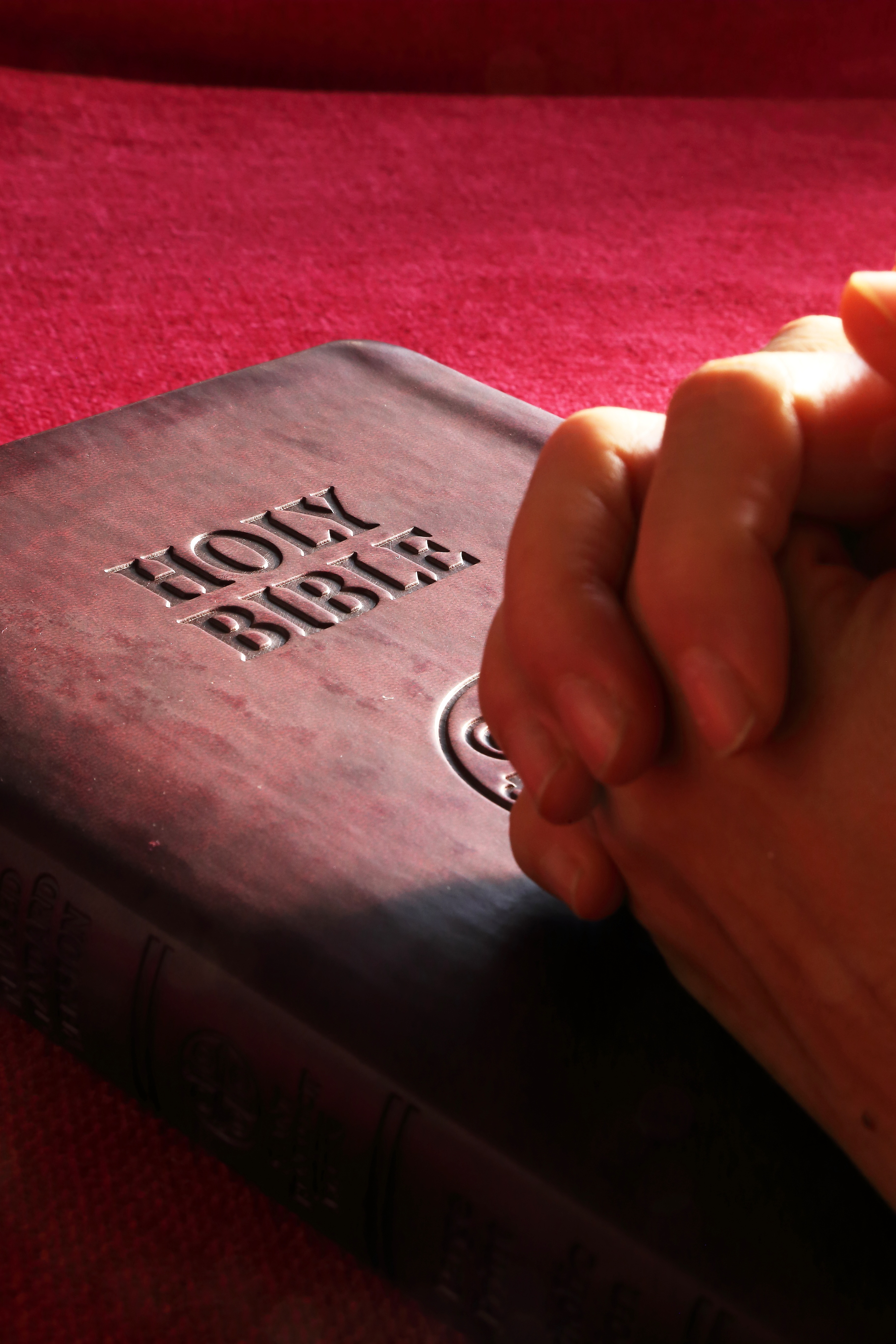
Every day, offer yourself to God in prayer. Ideally, you will have read Scripture as part of your devotions. As you read, ask God, “What are You saying to me through Your Word? How do You want me to respond to this message? What changes do I need to make?” Consider any other thoughts that popped into your head while praying. These thoughts might have been prompted by the Holy Spirit. Then, based on God’s Word and these promptings, ask Him to guide you. Ask Him to transform and empower you to do His will. Sometimes we know what we need to do, but we need the power, wisdom, and courage to carry it out.
In the Book of Common Prayer’s Daily Office, there is a closing prayer of thanksgiving. After thanking God anew for all of His blessings, we take the opportunity to convert our gratitude into action:
And, we pray, give us such an awareness of your mercies,
that with truly thankful hearts we may show forth your praise,
not only with our lips, but in our lives,
by giving up our selves to your service,
and by walking before you
in holiness and righteousness all our days;
through Jesus Christ our Lord,
to whom, with you and the Holy Spirit,
be honor and glory throughout all ages. Amen.
Let us commit ourselves daily to converting devotion and gratitude into a living sacrifice, by which Christ lives in and through us to minister to the people we meet.
Over the next few weeks, we will look at some other Bible passages that speak about how we can offer ourselves up to God as living sacrifices.
How do you pray to present yourself as an offering to God? Share your thoughts in the comments field below.
Copyright © 2025 Michael E. Lynch. All rights reserved.


3 responses to “Prayer of Oblation: Offering Ourselves to God”
[…] us consider this passage in relation to the concept of oblation, offering ourselves as living sacrifices to God in prayer, word, and daily […]
LikeLike
“…praying only for knowledge of His will for us and the power to carry that out.” 🎯😎 🙏
LikeLiked by 1 person
When Paul appeals to us to be a living sacrifice, it’s very challenging since it’s easy to sacrifice something but you as a person it’s difficult. We need to sacrifices everything that is of value to us, like pride, status,etc and put ourselves on the table of sacrifice for God
LikeLiked by 1 person