
“I thank him who has given me strength, Christ Jesus our Lord, because he judged me faithful, appointing me to his service,though formerly I was a blasphemer, persecutor, and insolent opponent. But I received mercy because I had acted ignorantly in unbelief,and the grace of our Lord overflowed for me with the faith and love that are in Christ Jesus. The saying is trustworthy and deserving of full acceptance, that Christ Jesus came into the world to save sinners, of whom I am the foremost. But I received mercy for this reason, that in me, as the foremost, Jesus Christ might display his perfect patience as an example to those who were to believe in him for eternal life. To the King of the ages, immortal, invisible, the only God, be honor and glory forever and ever” (1 Timothy 1:12-17; all Scripture quotations are from the English Standard Version).
A serial killer terrorized New York City between 1975 and 1977. David Berkowitz became known as “The .44 Caliber Killer” during his spree, but was later known as “The Son of Sam,” claiming that he was acting on orders from his neighbor’s demon-possessed dog. During his reign of terror, he murdered six people and injured 11 others, usually shooting young couples sitting in cars.
Ten years after his murder conviction, Berkowitz asked to be known by another name. He had accepted Jesus Christ as his Lord and Savior and now wants to be known as “The Son of Hope.” He ministers to other inmates in his prison and shares his faith online. If God could save David Berkowitz, He can save anybody.
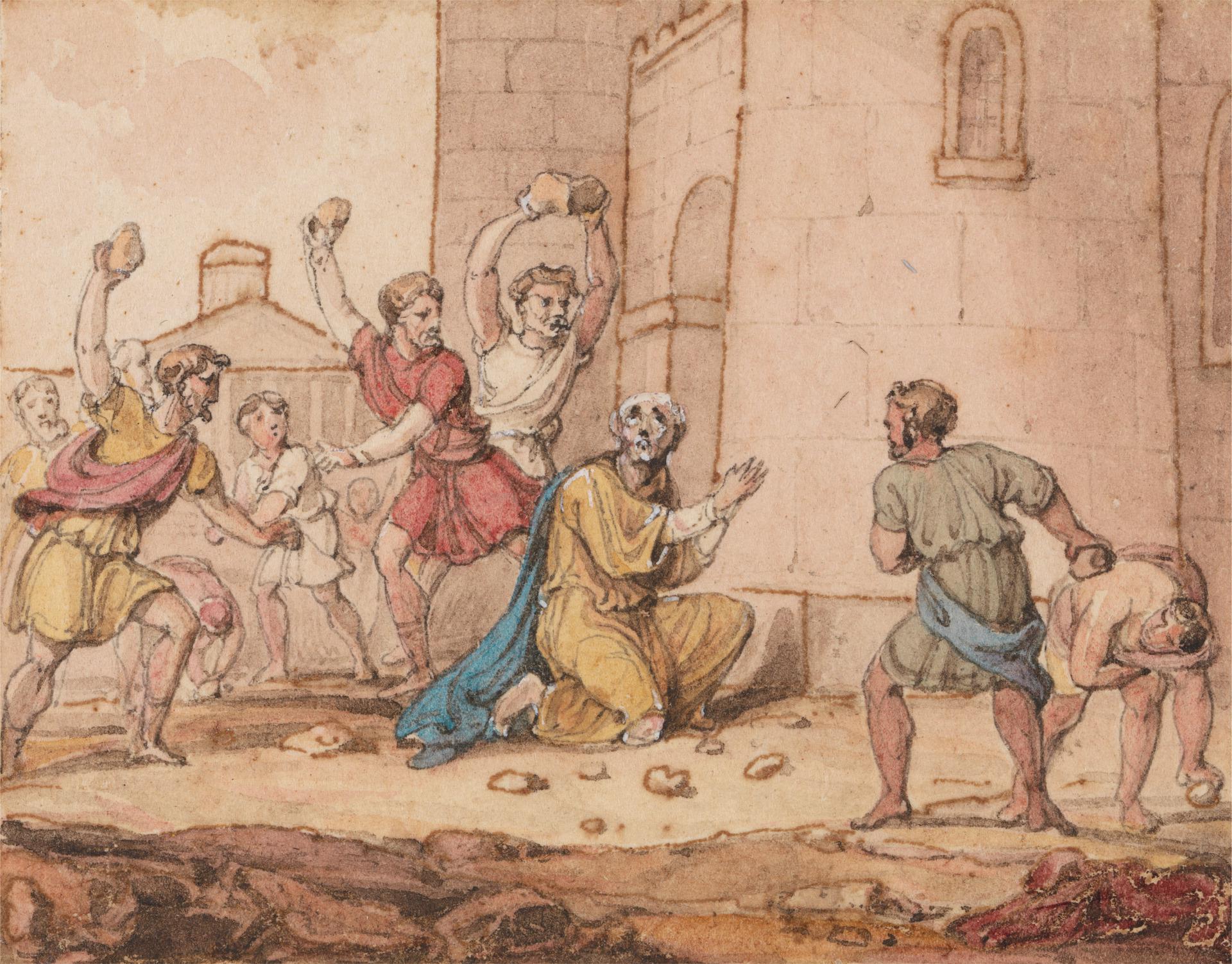
St. Paul considered himself to be the foremost of sinners. Yet, despite his past life, God still reached him and used him to draw others to himself. The first time we meet Paul in the Bible, he is known by his Jewish name, Saul, and is keeping the coats of the people who would kill the first Christian martyr, Stephen (Acts 8:58). Following this event, he took the initiative in leading the persecution of Christ’s followers in Jerusalem and beyond (Acts 8:1-3; 9:1-2).
If he did not directly murder anyone, he was at least an accomplice to the killers of Stephen and others. At one time, he was one of “those people” for whom the Law was written (1 Timothy 1:8-11). However, God reached out to him when he had no intention of becoming a Christian! Jesus appeared to him vividly, even while he was en route to arrest more Christians in a far-off city.
Some people might question his claim to being the worst sinner. He did not kill as many people as Mao Tse-Tung, Josef Stalin, or Adolf Hitler. However, he did not minimize or excuse his sins. He acknowledged that he did not deserve salvation. (Likewise, David Berkowitz openly acknowledges that he does not deserve salvation, deserves to remain in prison for the rest of his life, and he does not make excuses for his criminal actions.) According to the Jamieson-Fausset-Brown Commentary on the Whole Bible, “To each believer his own sins must always appear, as long as he lives, greater than those of others, which he never can know as he can know his own.”
However, “Christ Jesus came into the world to save sinners” (1 Timothy 1:15). His grace is available to all who will seek Him by faith. No matter how great your sins, God’s grace is able to forgive and transform you. In fact, in the second conversation recorded in Brother Lawrence’s The Practice of the Presence of God, he says, “In fact, God often chooses those who had been the greatest sinners to receive His greatest grace, because this can reveal His goodness more dramatically.”
The Christian’s mission is to share the Gospel with others. We do not need to judge their sins—God can do that Himself. We only need to be aware of our own sins, the grace and mercy of Jesus Who forgave us, and His power to save people no matter what we have done. As you grow in awareness of how He saved you and what He has done for you, you will be inspired to share the good news with others.
Previous article in this series.
Copyright © 2026 Michael E. Lynch. All rights reserved.


2 responses to “Men and Women of God. IV: Hope for the Worst of Sinners”
[…] Previous article in this series. […]
LikeLike
[…] Next article in this series. […]
LikeLike