
“This charge I entrust to you, Timothy, my child, in accordance with the prophecies previously made about you, that by them you may wage the good warfare, holding faith and a good conscience. By rejecting this, some have made shipwreck of their faith, among whom are Hymenaeus and Alexander, whom I have handed over to Satan that they may learn not to blaspheme” (1 Timothy 1:18-20; all Scripture quotations are from the English Standard Version).
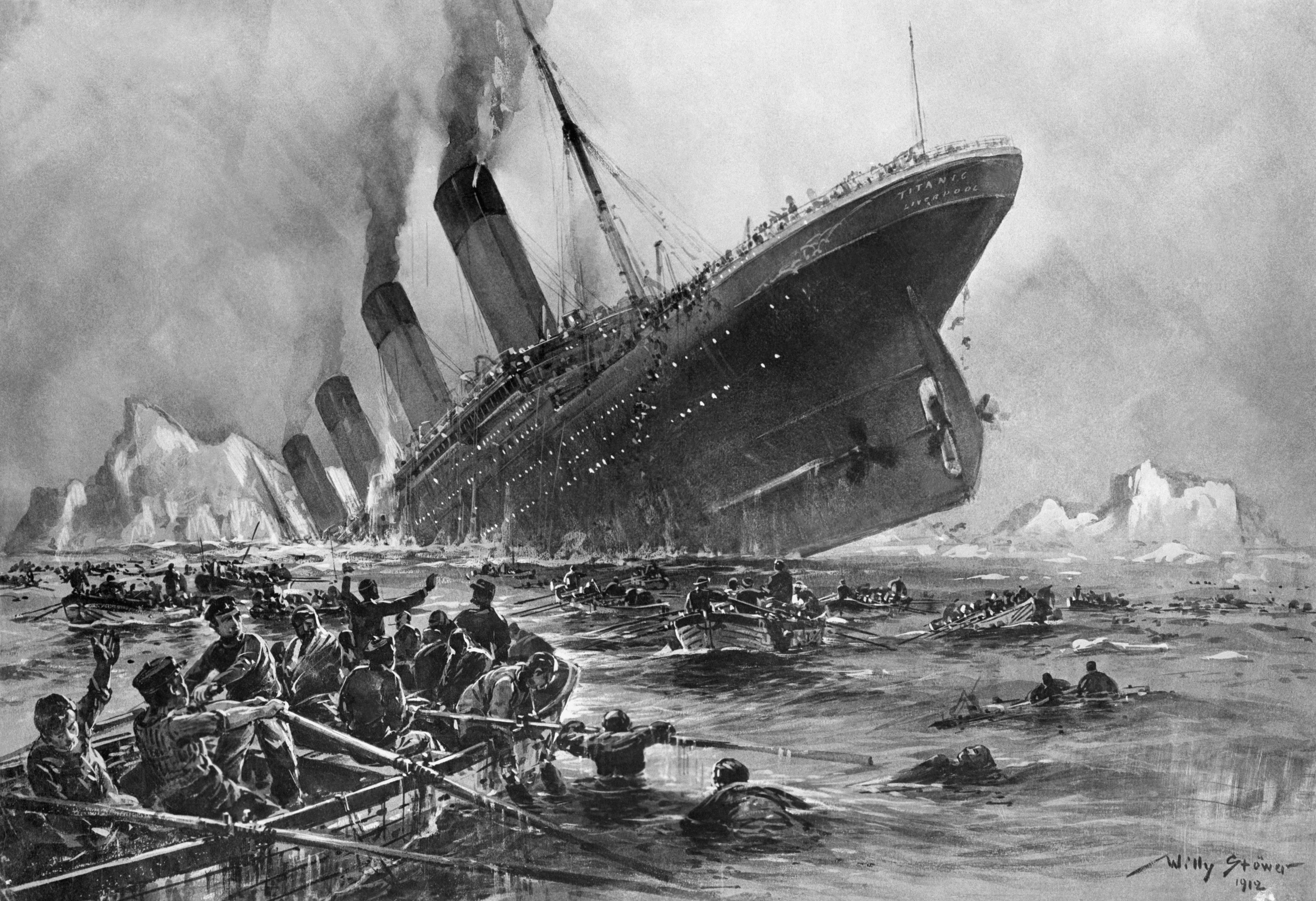
One of history’s most famous shipwrecks was the Titanic. The massive ocean liner sank during its maiden voyage in 1912 after colliding with an iceberg. Approximately 1500 people perished. Several films—including James Cameron’s 1997 classic starring Leonardo DiCaprio and Kate Winslet—tell its tragic tale. It has been the subject of songs (including Robin Gibb’s 2012 symphony, “The Titanic Requiem”) and modern folklore.
It could have avoided this fate. The crew had received warnings about icebergs. They could have slowed down or veered further south to avoid a collision. After the accident occurred, some nearby ships ignored the distress calls. In modern corporate parlance, “Mistakes were made.” Lessons were learned, and changes were made to avoid future disasters. However, 20/20 hindsight could not undo the damage or sorrow.
St. Paul knew a little bit about shipwrecks. He had survived one (Acts 27:39-44). He probably had that in mind when he spoke of people who “made shipwreck of their faith.”
In this passage, Paul reminds Timothy of his “charge” to avoid these spiritual disasters. In 1 Timothy 1:5, Paul had reminded his young protege of his charge. It is love that issues from:
- a pure heart and
- a good conscience and
- a sincere faith.
This is the essence of the Christian life. If we keep to these basics, we should be able to remain on track. However, Paul had also urged Timothy to “charge certain persons not to teach any different doctrine” (1 Timothy 1:3). Here, in verses 18-20, he repeats that instruction. People were teaching different doctrines: the teachings of Jesus that He had entrusted to the apostles, which Paul taught to the churches under the inspiration of the Holy Spirit, were being shunned by people who thought they “knew better.” Some people were falling for these false teachings. People were drowning in depravity and deceit.
The threat of spiritual shipwreck demands drastic action. Paul wrote that he had handed over some people, including Hymenaeus and Alexander, to Satan. Although it is not clear exactly how this played out, they were most likely removed from church membership. They could not eat or speak with other Christians. They could participate in corporate worship. The church was supposed to treat them like unbelievers—perhaps even like enemies. They could return only upon showing signs of sincere repentance.
Paul mentioned Hymenaeus again in 2 Timothy 2:17-18, which was probably written a few years after this epistle. In addition to the false doctrines Paul mentioned earlier in 1 Timothy 1—following Jewish laws and blending Christianity with pagan philosophy—Hymenaeus was apparently teaching “that the resurrection has already happened.” He did not believe that Jesus Christ would come again: all the New Testament teaching about the believer’s resurrection and eternal life was merely symbolic. This teaching has taken many forms throughout church history, but it always creates discouragement and despair for disciples.
Resisting such deceit demands spiritual warfare. Paul told Timothy to “wage the good warfare.” Fight the good fight. Do not treat false doctrine lightly. Do not wink at sin and its excuses. Take action. For Timothy, as a church leader, this meant taking action: correcting those who teach false doctrines, removing people from leadership when they refuse to repent, and perhaps even kicking people out of the church. Tolerance is spiritual terrorism when it distracts people from following Christ.
Let us avoid spiritual shipwreck by looking to our Lord as a ship’s captain looks to a lighthouse. Let love, a pure heart, a good conscience, and a sincere faith steer you as you seek your haven in Christ.
Previous article in this series.
Copyright © 2026 Michael E. Lynch. All rights reserved.


2 responses to “Men and Women of God. V: Avoiding Shipwreck”
[…] Previous article in this series. […]
LikeLike
[…] Next article in this series. […]
LikeLike