
“First of all, then, I urge that supplications, prayers, intercessions, and thanksgivings be made for all people,for kings and all who are in high positions, that we may lead a peaceful and quiet life, godly and dignified in every way. This is good, and it is pleasing in the sight of God our Savior, who desires all people to be saved and to come to the knowledge of the truth. For there is one God, and there is one mediator between God and men, the man Christ Jesus, who gave himself as a ransom for all, which is the testimony given at the proper time. For this I was appointed a preacher and an apostle (I am telling the truth, I am not lying), a teacher of the Gentiles in faith and truth.
“I desire then that in every place the men should pray, lifting holy hands without anger or quarreling…” (1 Timothy 2:1-8; all Scripture quotations are from the English Standard Version).
The following originally appeared on Darkened Glass Reflections about two years ago. Since I am now writing a series about the pastoral epistles, and 1 Timothy 2 is the next chapter, I decided to share it again below, with a few minor updates.
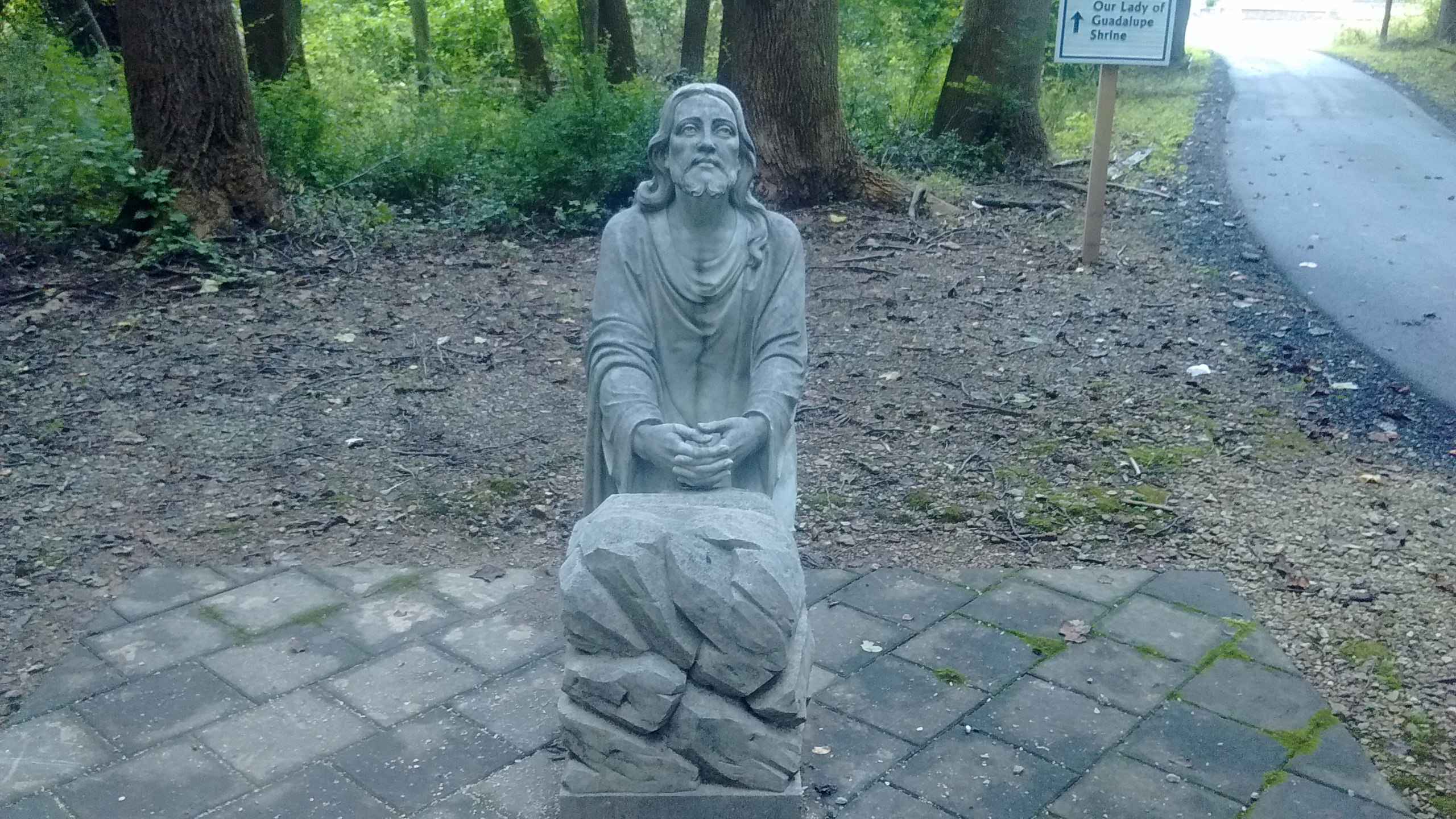
Paul began 1 Timothy 2 with exhortations to pray. He urged Timothy, as a young bishop, to ensure that the churches under his care prioritized prayer. His instructions apply to our lives as much as they did to Timothy and his first-century congregations.
This call to prayer is central to Timothy’s entire mission. As we read in chapter 1 of this letter, Paul charged Timothy to confront false teachers, providing a clear presentation of the Gospel and the proper response to what Jesus has done for us. Immediately after that, he writes, “First of all, then, I urge that supplications, prayers, intercessions, and thanksgivings be made for all people….” Prayer must be top priority.
So, Paul began 1 Timothy 2 with exhortations to pray. He urged Timothy, as a young bishop, to ensure that the churches under his care prioritized prayer. His instructions apply to our lives as much as they did to Timothy and his first-century congregations.
First, we should pray for all people, including those who oppose us. Paul wrote that “supplications, prayers, intercessions, and thanksgiving be made for all people, for kings and all who are in high positions.” Government rulers were prone to persecute Christians in those days. Paul was urging Timothy to make certain his congregations prayed and thanked God for the sort of people who might soon arrest, persecute, torture, or even kill them.
Today, Americans do not face those dangers, at least not yet. Nevertheless, we have not been very good at praying for some of our political leaders. During the 2024 Presidential election campaign, Donald Trump faced two assassination attempts. Instead of praying for our leaders or potential leaders, many of us criticize, mock, or ridicule the politicians we disagree with. Now, we are resorting to violence. Will he live long enough to complete his term? In the current hateful, hostile environment, that is not guaranteed. Hatred dominates modern American culture.
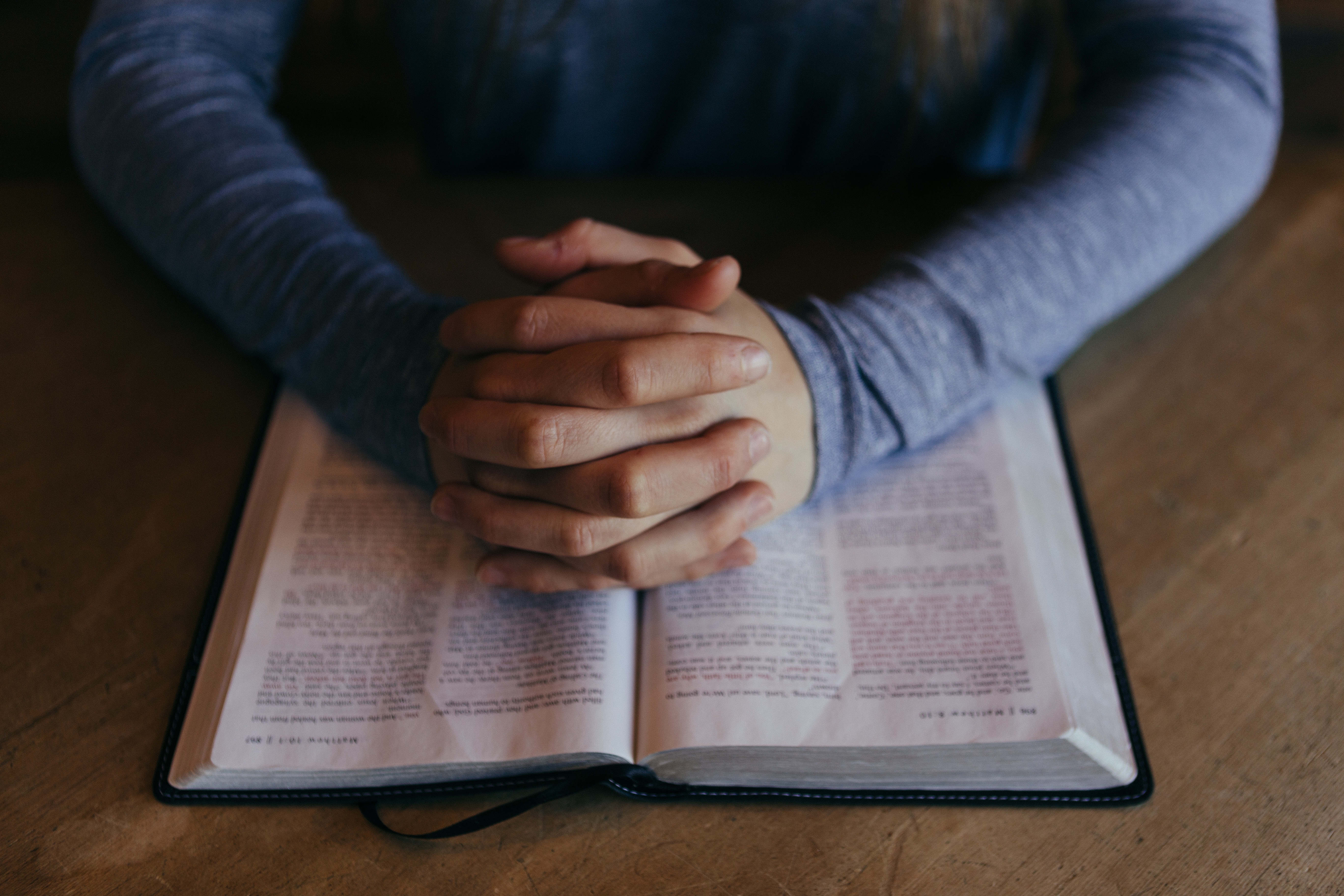
Christians are chiefly responsible for representing Jesus Christ, not a political party or personality, to our broken world. A key part of that is through intercession for our nation and its leaders. We should pray that we may lead a “peaceful and quiet life, godly and dignified in every way.” We should desire leaders who will work to “ensure domestic tranquility,” as the Constitution puts it, allowing an atmosphere where we can use our freedom to share the Gospel and advance God’s kingdom in our communities. American readers seeking guidance to help them pray for our nation can visit Intercessors for America. (Similar ministries serve other countries.)
This attitude extends beyond politics. Do we pray for people whom we have trouble getting along with? One good habit is to pray for people who offend us, who make us angry, or who we have a hard time forgiving. It is easy to pray for our favorite people. However, Jesus also told us to “Love your enemies and pray for those who persecute you” (Matthew 5:44). Prayer will often give you the ability to forgive difficult people or painful offenses. It may also enable us to befriend people whom we previously disliked.
Second, we should pray with an outward expression that reflects our inner transformation. “I desire then that in every place the men should pray, lifting holy hands without anger or quarreling” (1 Timothy 2:8). The customary posture for prayer at that time was lifting one’s hands. Does our posture show that we are praying? Can those around us see us pray? Is it external? At least in a corporate setting, when believers are praying together, a posture of prayer will usually inspire an attitude of worship. I am usually more focused if I raise or fold my hands (as I learned in Catholic school) while focusing on a symbol of God’s presence (like a cross) than if I stick my hands in my pockets and mindlessly stare at my feet. Find a position and posture for prayer that helps you keep your mind directed toward God. If a cross is not present, I may focus my attention on some source of light (perhaps a candle, if present), because our God is a consuming fire (Hebrews 12:29).
More important, is it internal? Does my life match my prayers? One way to know is by our relationship with other Christians. We should “pray … without anger or quarreling.” If we are in conflict with other believers, it will hinder our prayers. If we are having trouble getting along with many other believers, there are probably areas in our lives that demand confession and repentance before we can pray with the effectiveness that God desires.
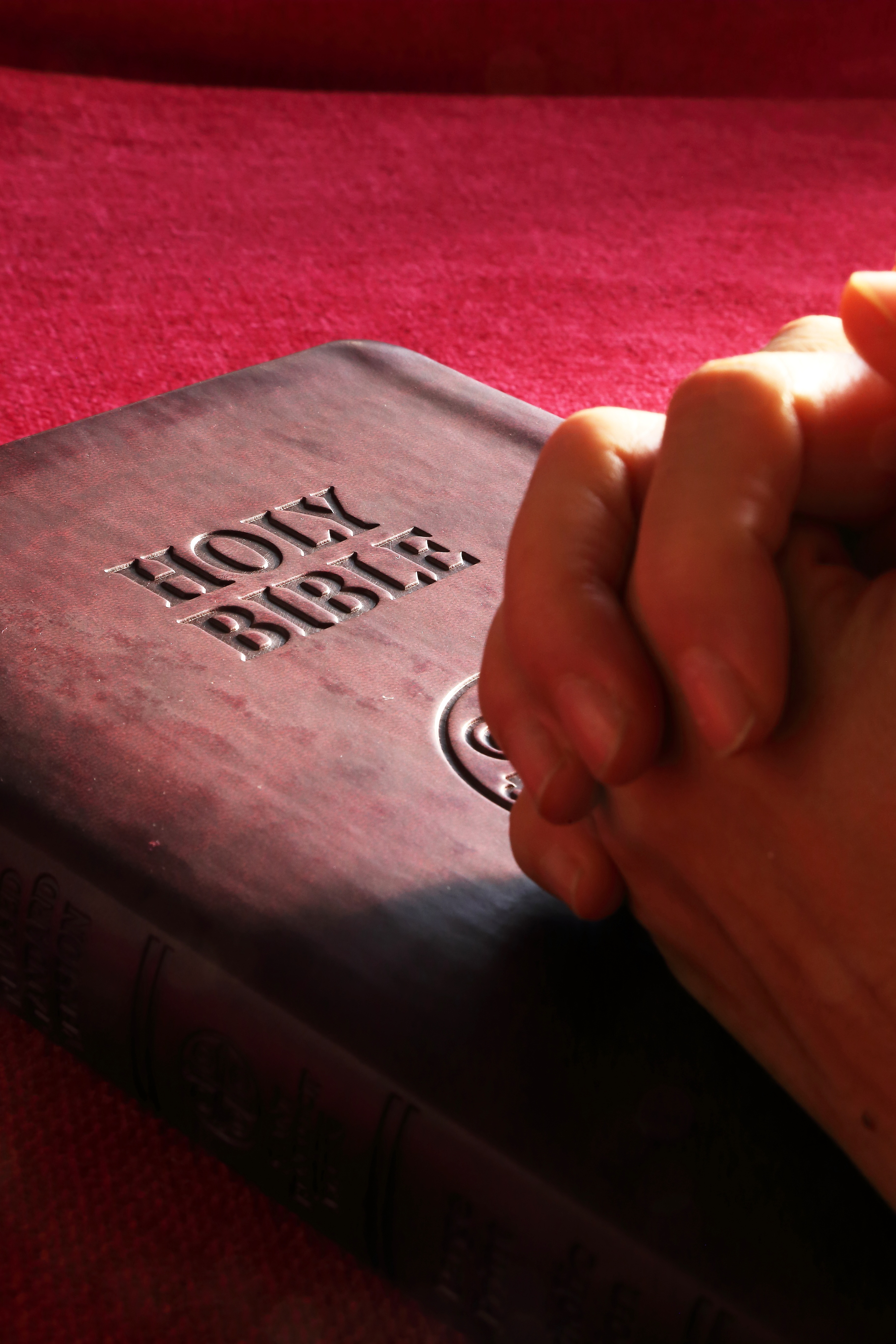
First Timothy 2:8 speaks about prayer in a corporate setting, particularly a church meeting or worship service. We often think of prayer as “just me and Jesus,” but it is more. Our entire Christian life, including our prayers, is a triangular relationship. We are children of God, and we are brothers and sisters with other followers of Jesus; we have a personal relationship with Jesus Christ and all of His followers:
“… that which we have seen and heard we proclaim also to you, so that you too may have fellowship with us; and indeed our fellowship is with the Father and with his Son Jesus Christ” (1 John 1:3).
“Personal devotions” are an important part of the Christian life, but so are corporate worship and unified group prayer.
In conclusion, your attitude toward God and others matters when you pray. Prayer is not a separate compartment in the Christian’s life, which can be turned on for private devotions and off for work or free time. Prayer flows out of our relationship with Jesus Christ. It emanates from a life that has been transformed by the Holy Spirit, and our attitude and prayers reflect that transformation in our relationships with others. God’s Spirit compels us to love others—believers and nonbelievers, friends or family and enemies, as well as difficult persons—and that love inspires and directs our prayers.
May we pray without ceasing for and with those God calls us to love.
Previous article in this series.
Copyright © 2026 Michael E. Lynch. All rights reserved.


4 responses to “Men and Women of God. VI: Intercessory and Corporate Prayer”
[…] Previous article in this series. […]
LikeLike
Amen, even Job prayed for his friends
LikeLiked by 1 person
Amen. And, Jesus prayed for the people who crucified him, and Stephen prayed for the people who killed him.
So many examples throughout Scripture.
LikeLiked by 1 person
[…] Next article in this series. […]
LikeLike